

F&L 22-23 April 2026
Hosted by F&L members North Sea Port & Port of Antwerp-Bruges, Belgium
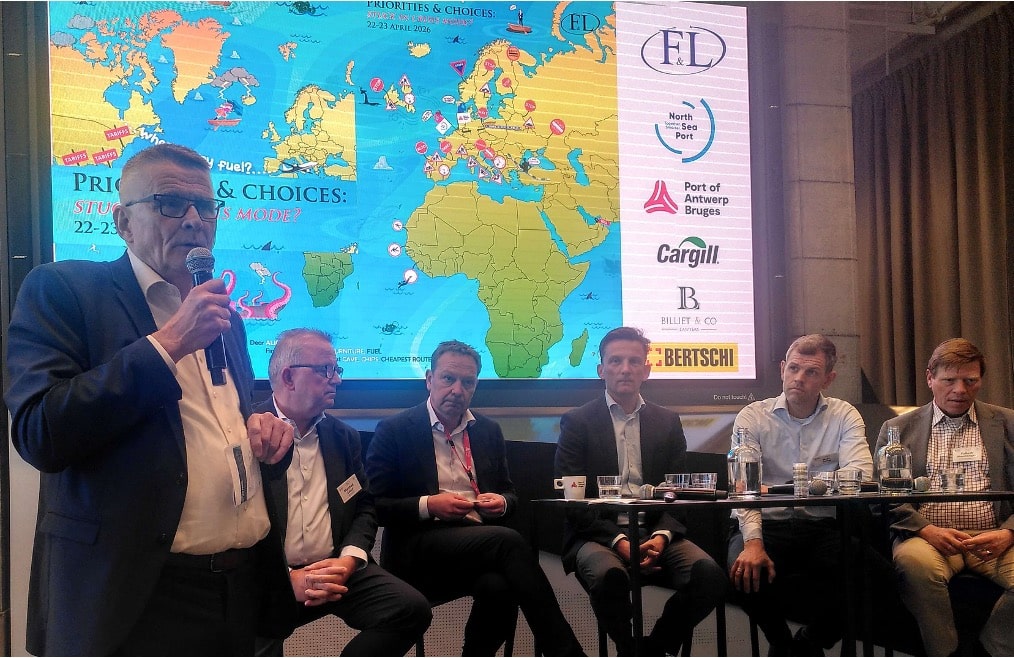
Priorities & Choices: Stuck in Crisis Mode?
The market is changing and, with it, every company’s ability to attract and retain customers. As competitive pressures intensify, commercial senior logistics leaders and their teams utilised unique cross-industry peer exchange to de-risk decision making and to identify new opportunities for resilience and growth.
Geopolitical turbulence is impacting global trade and its supply chains. Critical interfaces for trade flows; Europe’s ports and industrial hubs affect everything we do. Are today’s supply chain & logistics questions systemic, or unique to our own company or industry? Can signals or early warnings at ports & hubs foreshadow the need for change? Does collaborating through logistics hubs reduce risk and capital exposure?
What is the expectation for Europe’s competitive position and our widespread desire for greater harmonisation, brought into the spotlight by the urgent requirements of Europe’s defence sector? Must we simply react to policy changes, or can we shape our response into a competitive advantage?
Planning to prosper regardless of what is happening elsewhere. A cost-plus or value-add model? Logistics leaders are skilled at identifying risks and opportunities, but how do we follow up? What is the core function of our most important job in logistics? We hear that standing still – not disruption – is the real threat, but what does that mean in practice? Does the transformation of Europe’s chemical sector highlight key messages for every business: now?
Attending leaders emphasised that F&L is for senior logistics leaders & their teams who value being part of a wider dialogue. They leverage the multi-stakeholder international community to help them tackle obstacles from every possible vantage point in a constructive and confidential environment. Agenda & participants, also feedback.
Who attended?
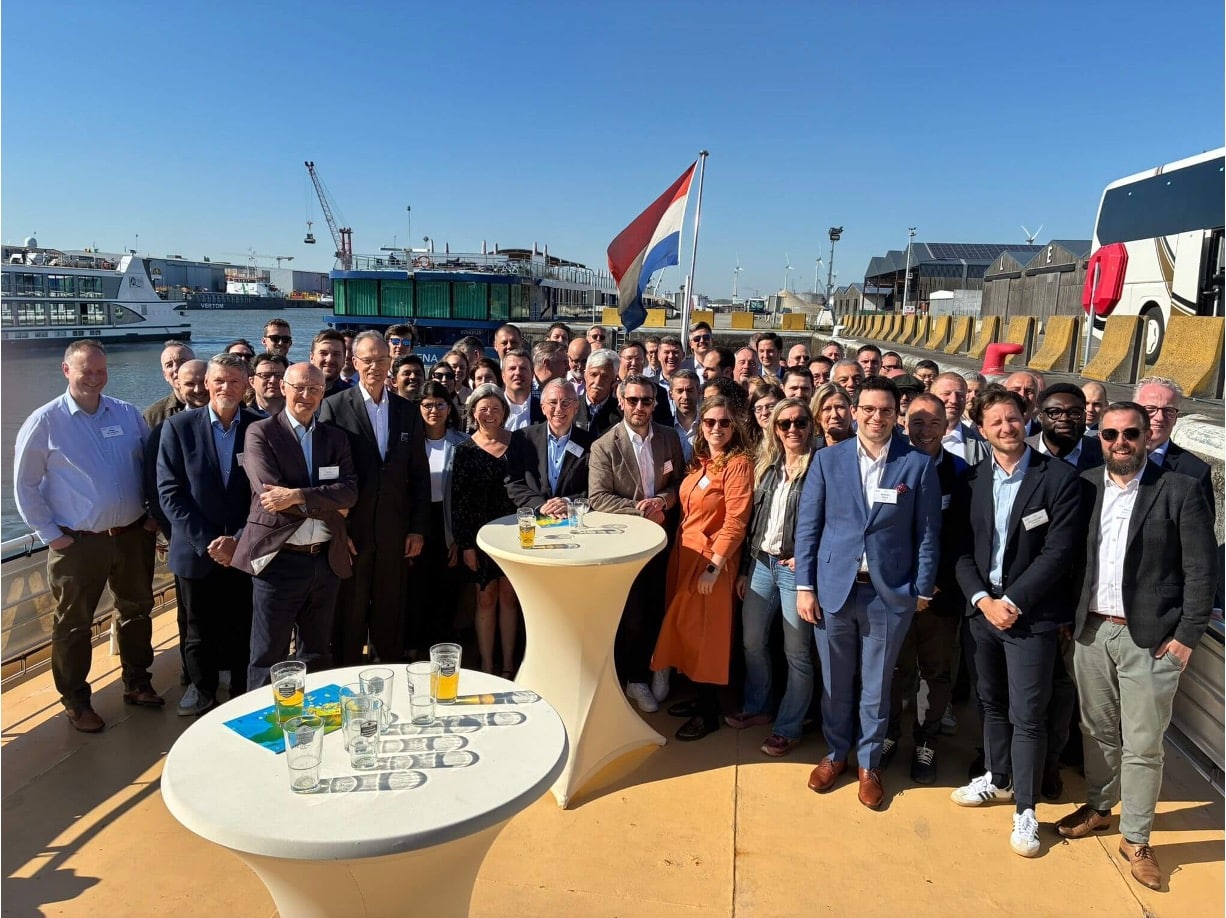
- Over 100 senior executives from across the F&L network
- Opinion formers from all logistics modes, ports and policy makers
- Comment from several key industrial sectors including energy, steel, chemical, automotive & defence
- Asset heavy and light models in discussion
- Strong technology input and focus on innovation
- Important shipper participation, but more required
What’s new?
 Geoeconomics has become increasingly important and should form a key part of our planning; new F&L research with the key team at Plymouth University informs us – and the key point is not tariffs
- Defence sector & NATO: critical developments & growth opportunities for logistics; experts explain the aims and requirements – the message is preparedness (activated through EU Military Mobility Package Nov 2025 “seamless movement of troops, equipment & military assets across the EU”)
- First movers are now occupying key spaces (Regulators may follow)
- Some aspects of logistics & supply chains are becoming uninsurable
- Unknown unknowns: discussion of the logistics leader’s strategy – leverage collaborative power to better prepare for what you don’t know that you don’t know
- Acknowledgement of the need to broaden perspective (get out of your silo) & provide scale for investment capability / capacity requirements
- Oil & gas component of future global energy mix view surprised many
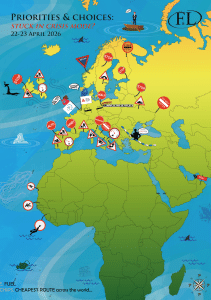 Geoeconomics has become increasingly important and should form a key part of our planning; new F&L research with the key team at
 Members – please ask for the charts, graphs, research & back-up information.
What’s in & out?
- Chemical sector less export of commodities but more imported materials, development of value added / speciality products all providing growth; noting case studies and discussion on cluster benefits and use of multimodal solutions
- Europe’s greater regulation and costs may constrain, but also provides critical large and stable marketplace for all
- Build or develop control by establishing what the customer wants; but who is the customer or consumer?
- “Trusted partner” status
- “Hope is not a strategy” recognising the insight-to-action gap: the barriers to acting on foresight are organisational and cultural, not informational or technological (consistently surfaced in F&L since 2020)
What’s next?
- Collaboration through joint planning, capacity building and data sharing is a necessity, not a nice to have (42%)
- Crisis management should become less reactive and built more around long term planning (25%)
- Decarbonisation matters (22%) – climate stats worse than F&L Zaragoza autumn 2024. “Cutting emissions is no longer sufficient – we passed that point some time ago & will now have to remove vast amounts of greenhouse gas from the atmosphere”
- Capacity constraints & access to assets / investment vs short term contracts – “cost savings” are removing capacity and assets from the marketplace
- Exploit what Europe is through its strength and stability, not the low-cost option some believe it should be (10% of participants’ OKM One Key Message)
Thank you to F&L members North Sea Port & Port of Antwerp-Bruges for your warm welcome to Belgium!
Related Posts
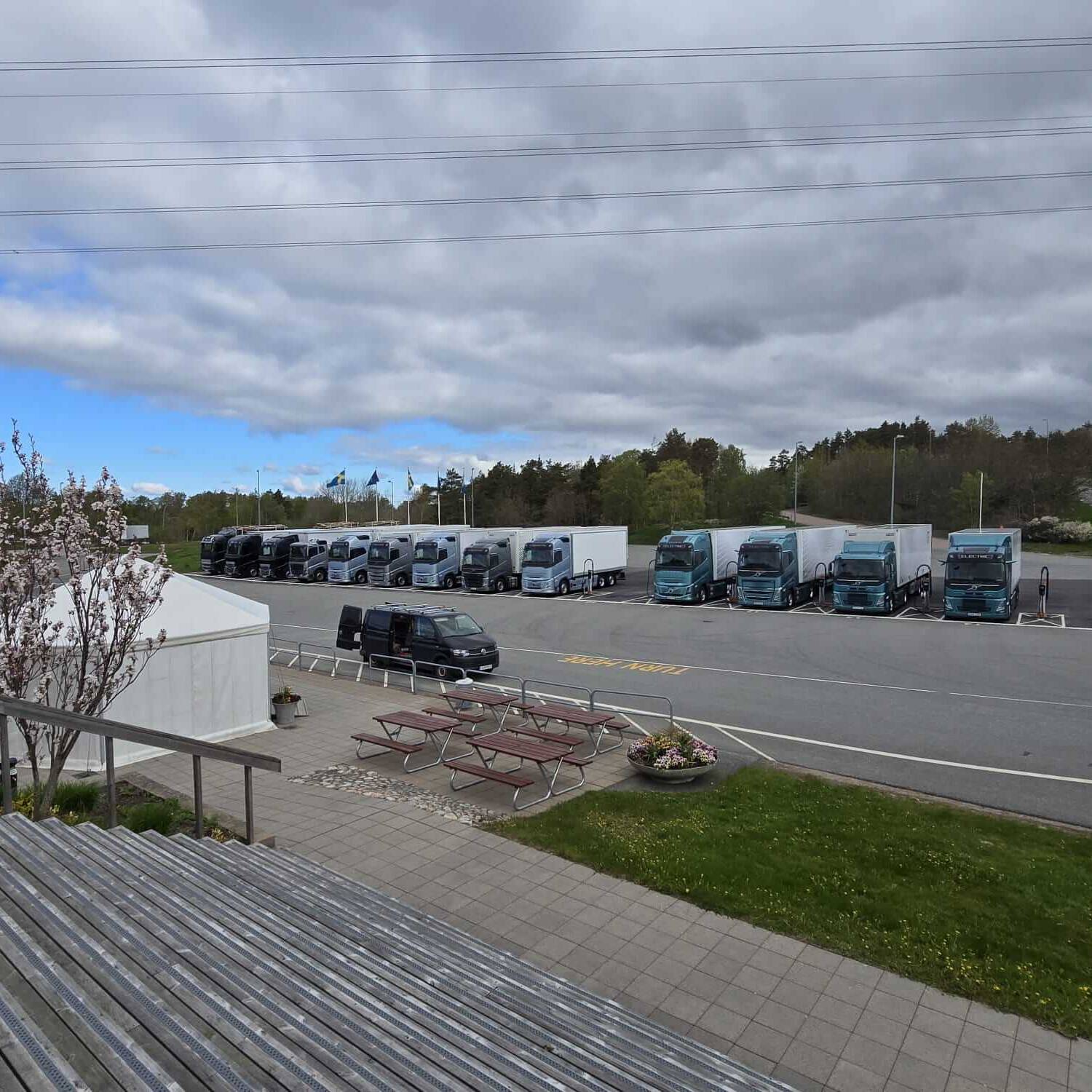
Welcome to the European Freight Leaders’ meeting at Volvo Trucks Experience Center in Gothenburg
By Roger Alm & Marie Carlsson


Why tracking decarbonisation in logistics over a decade matters
By the Kuehne Climate Center (KCC) & Kühne Logistics University (KLU)